
History of the Farm
Since its inception in 2015, the farm was a worker cooperative of two farmers — Kenny and Max. This duo grew to four farmers by 2018 when Katelyn Madden and Barret Turkington joined the business. This isn’t a “pull yourself up by your bootstraps” farming story. As you’ll learn, we wouldn't have made it this far without an extensive network of friends and community members who support our work through projects ranging from infrastructural development to artistic outreach (namely Parker Beckley).
As a result of this support, we are a growing force for local food production in the state.

Love at First Farmsight (Winter 2012, Lolo, Montana)

Living mulches planted between carrots (Spring 2013, Lolo, Montana)

The 2013 farm team on a harrowing day!

Just a lil’ fire one mile from the farm (August 2013).

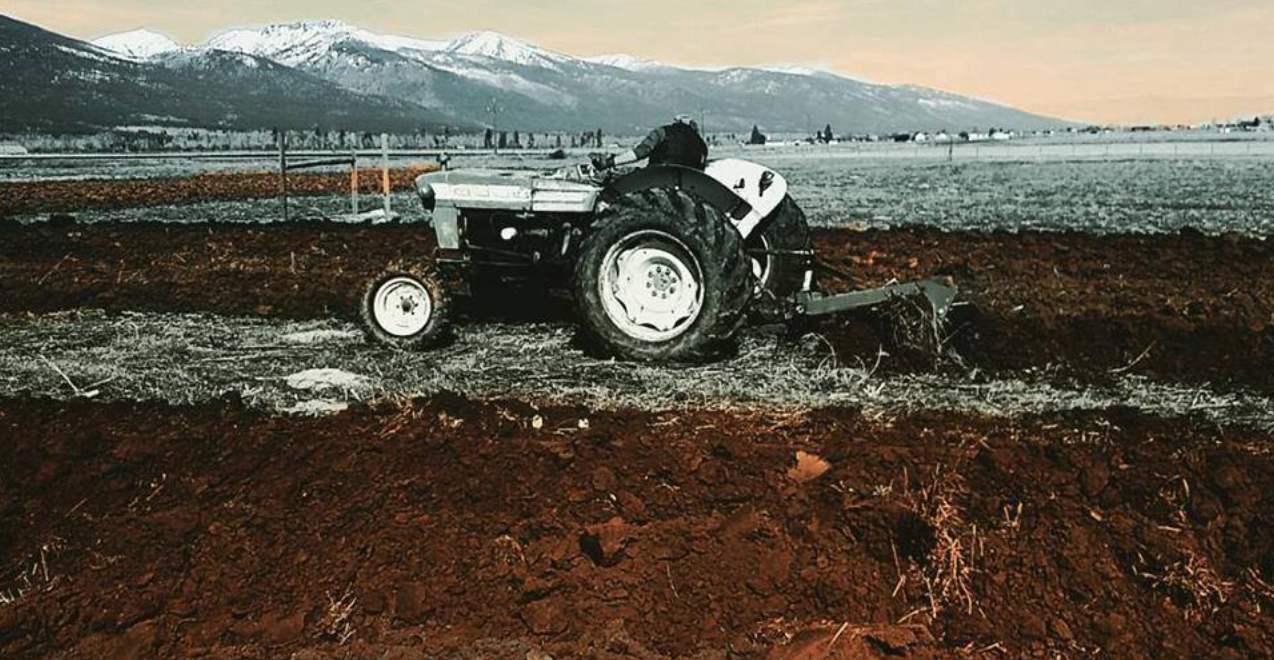

Max and Kenny at the new farm (Spring 2016, Stevensville, Montana)
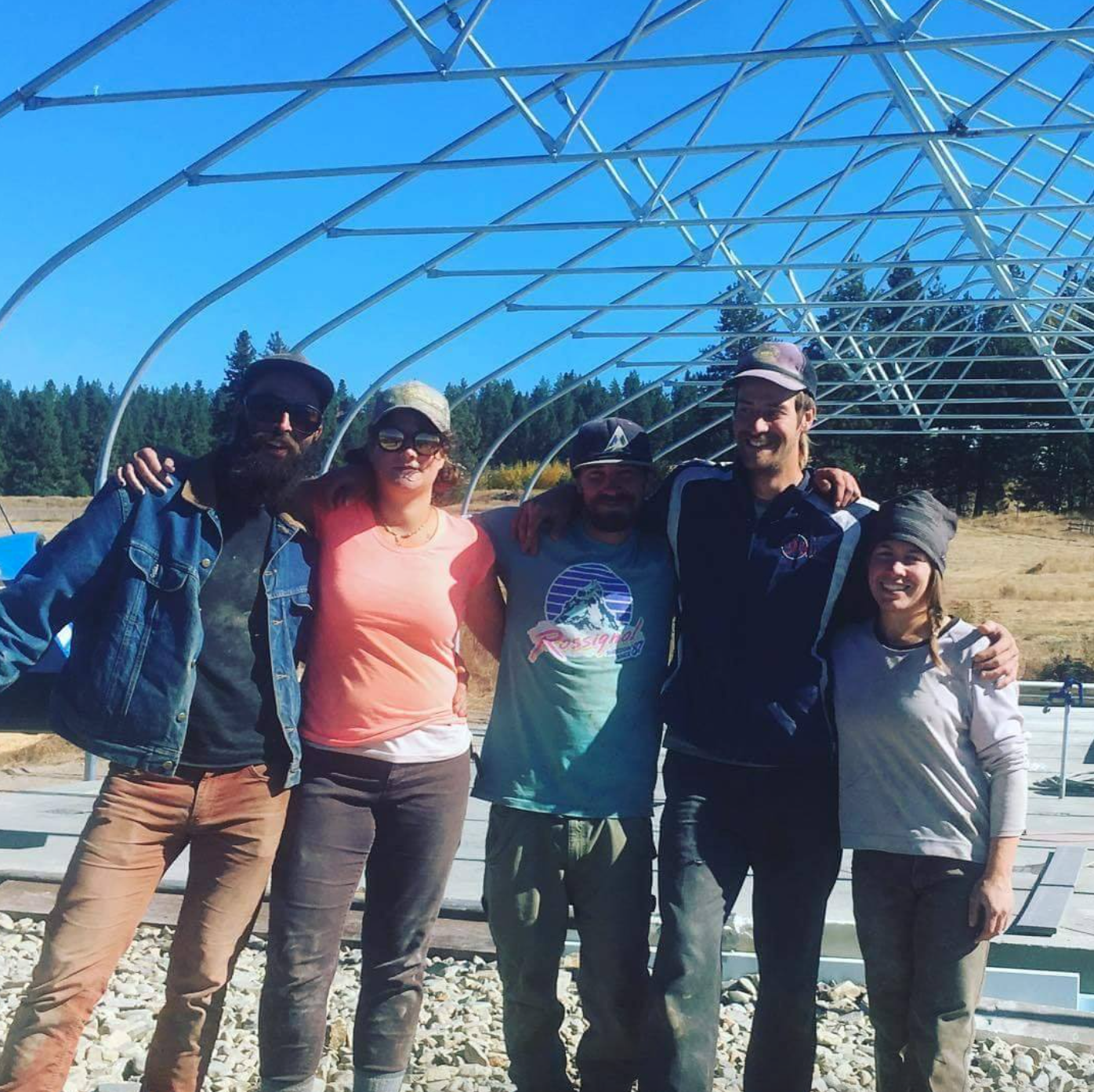
Together within the skeleton of the new wash/pack building.

Max and Katie harvesting from incredible soils where compost had fueled great growth.

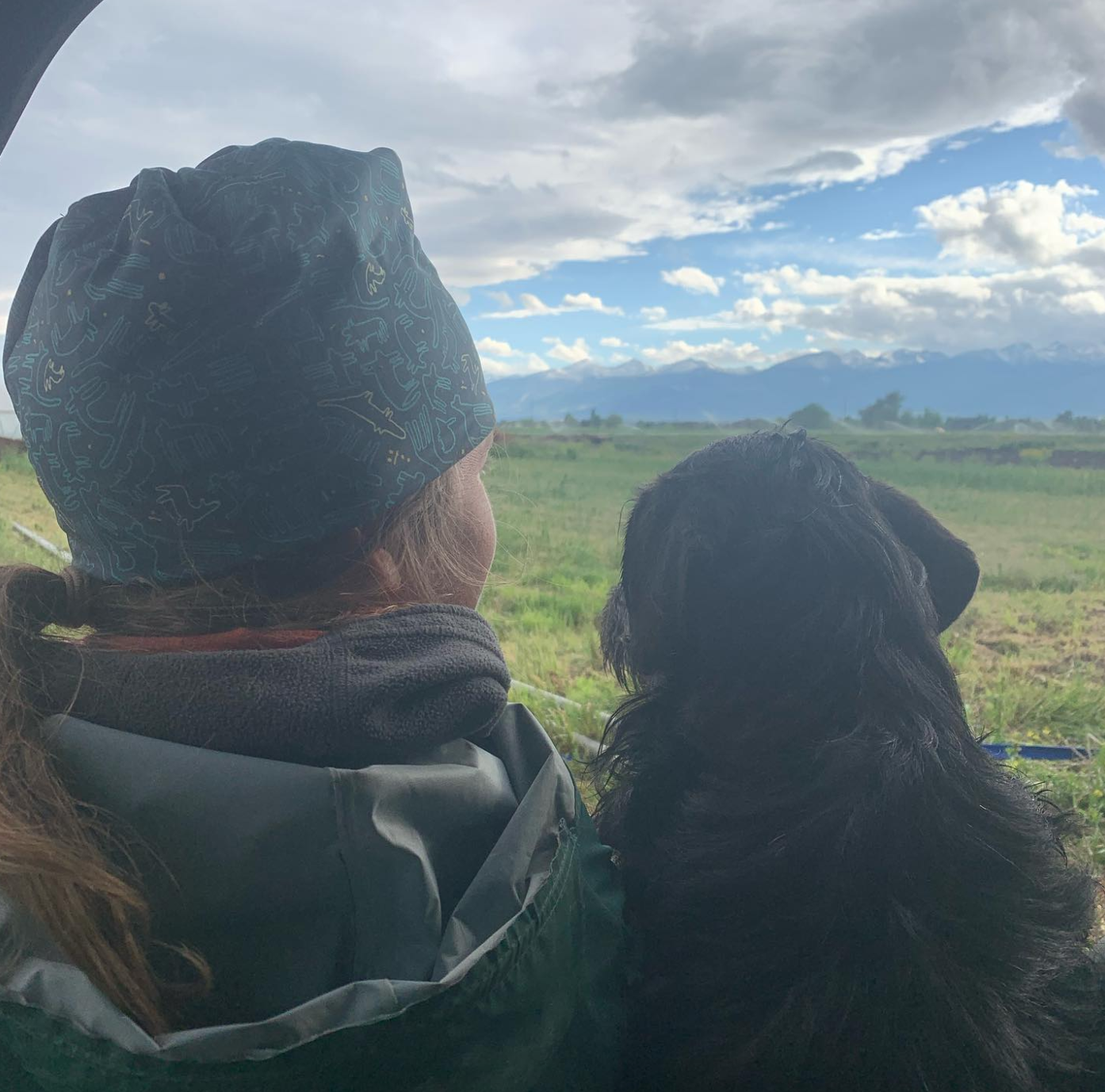

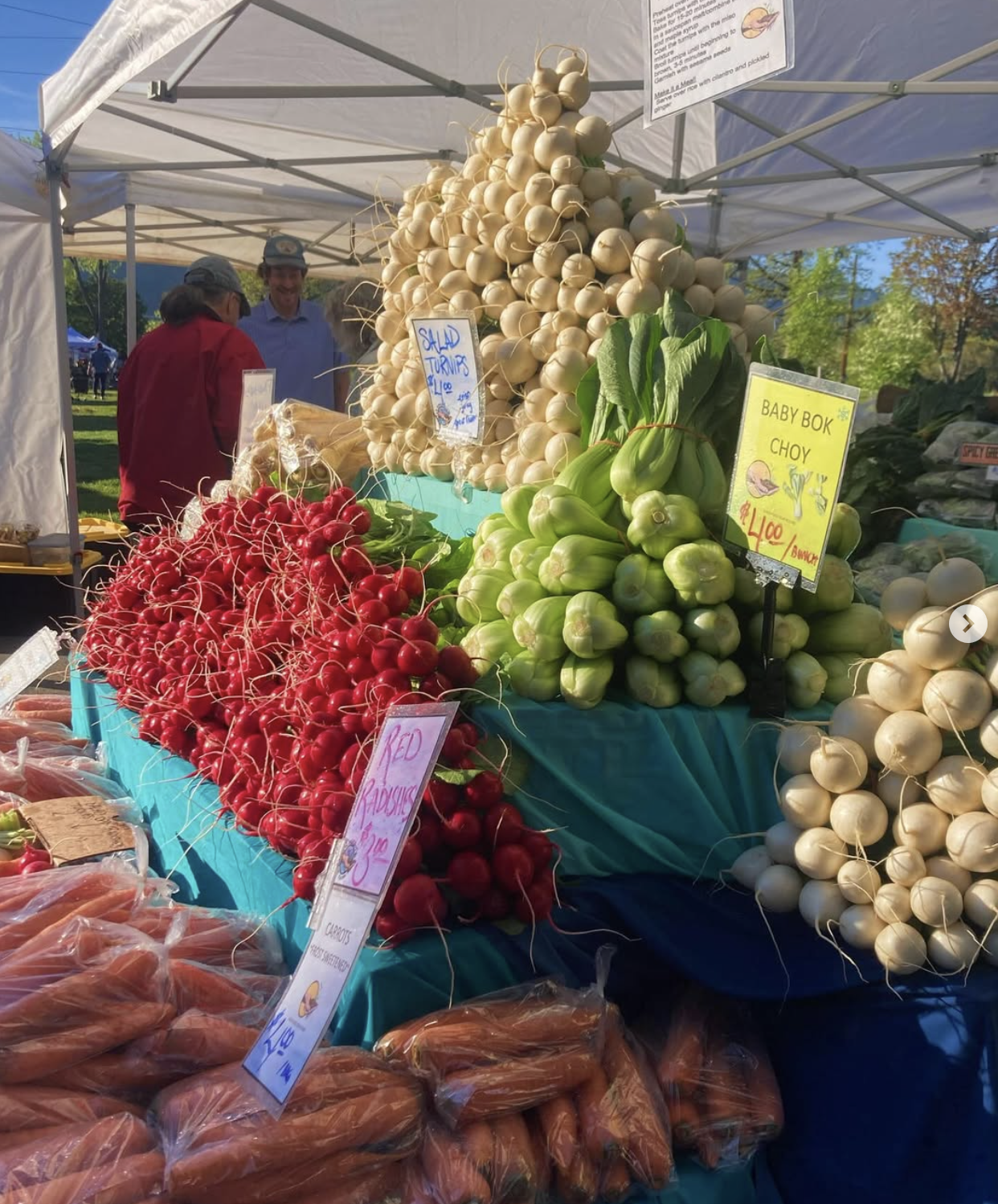
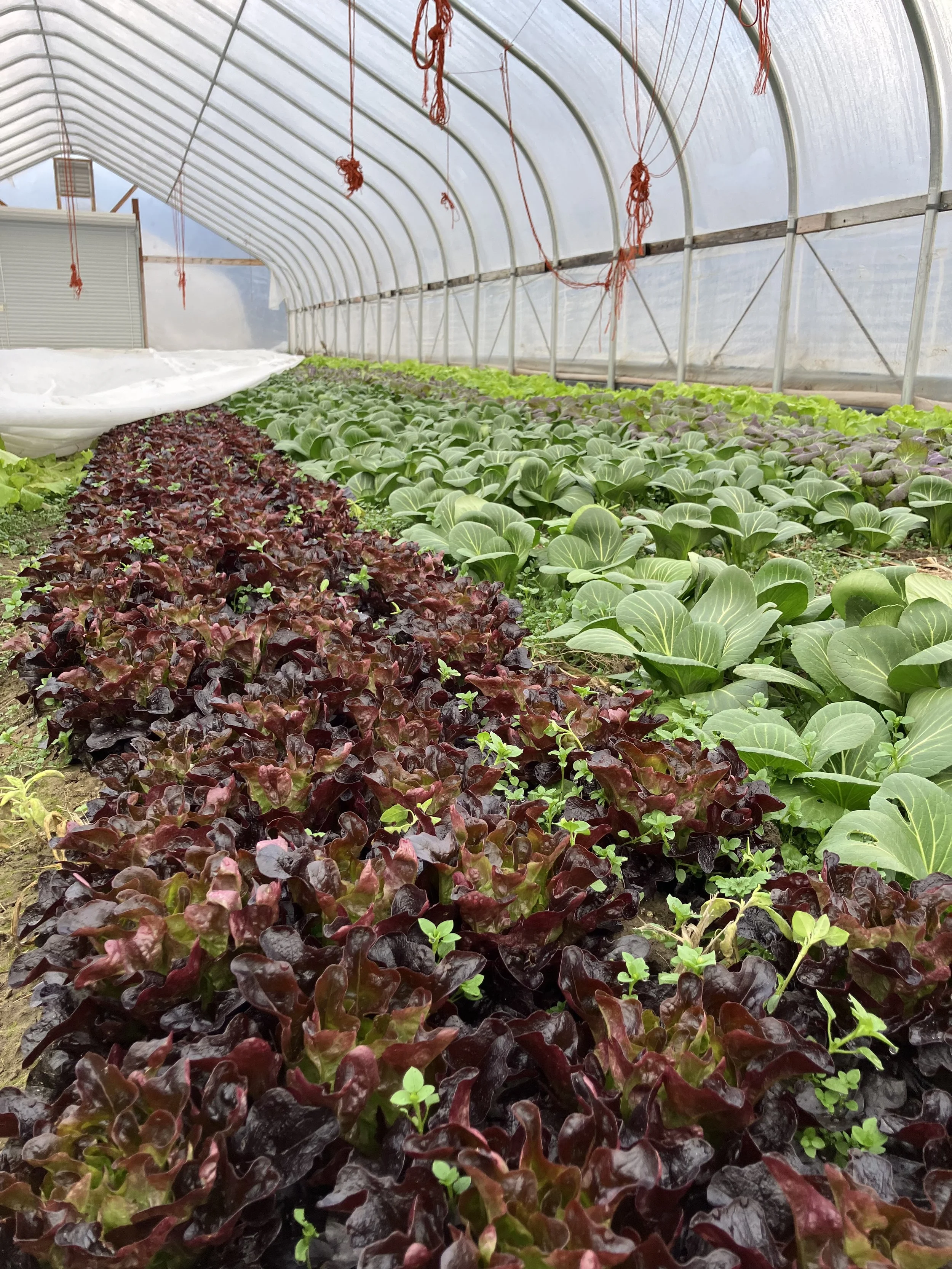
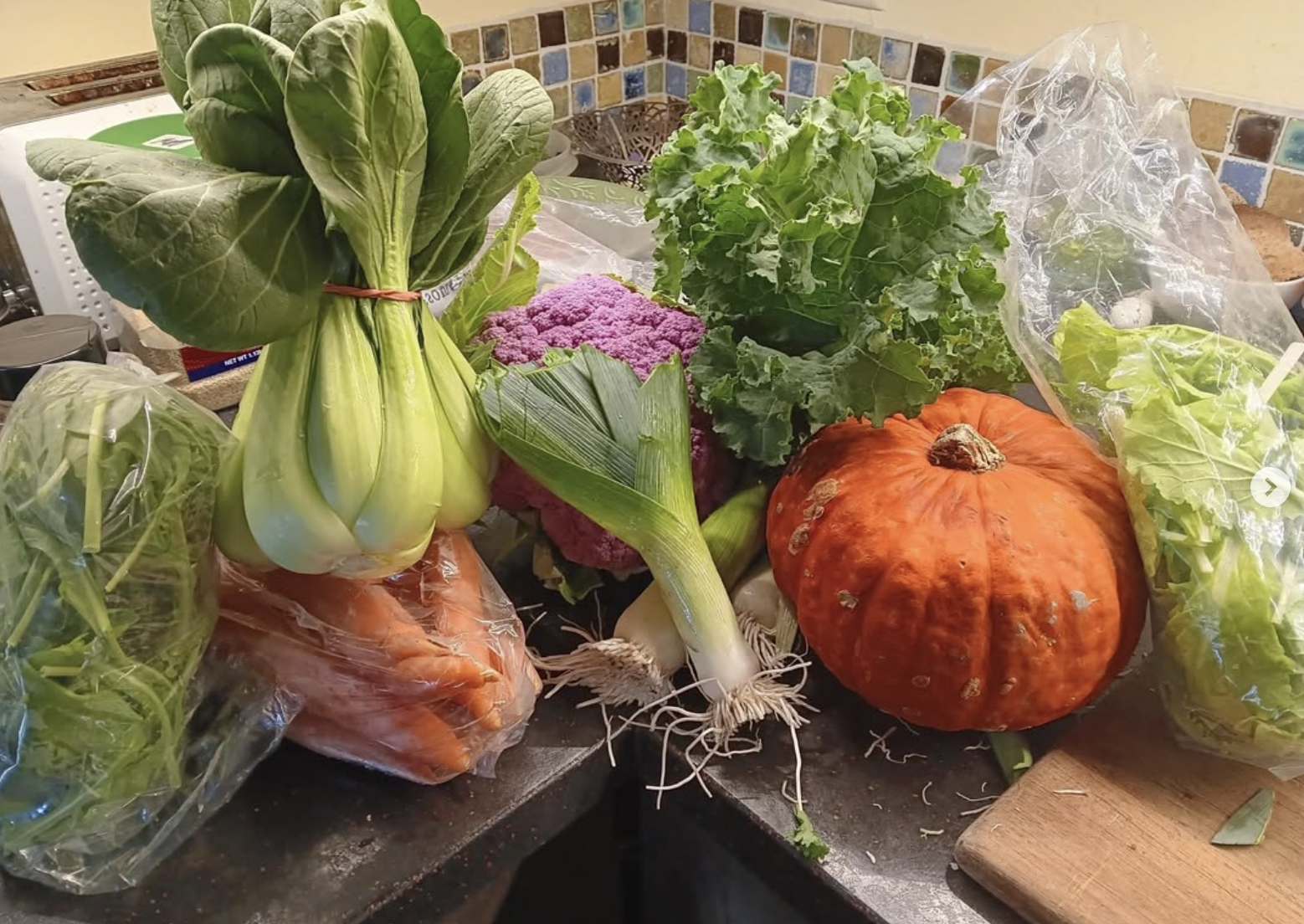
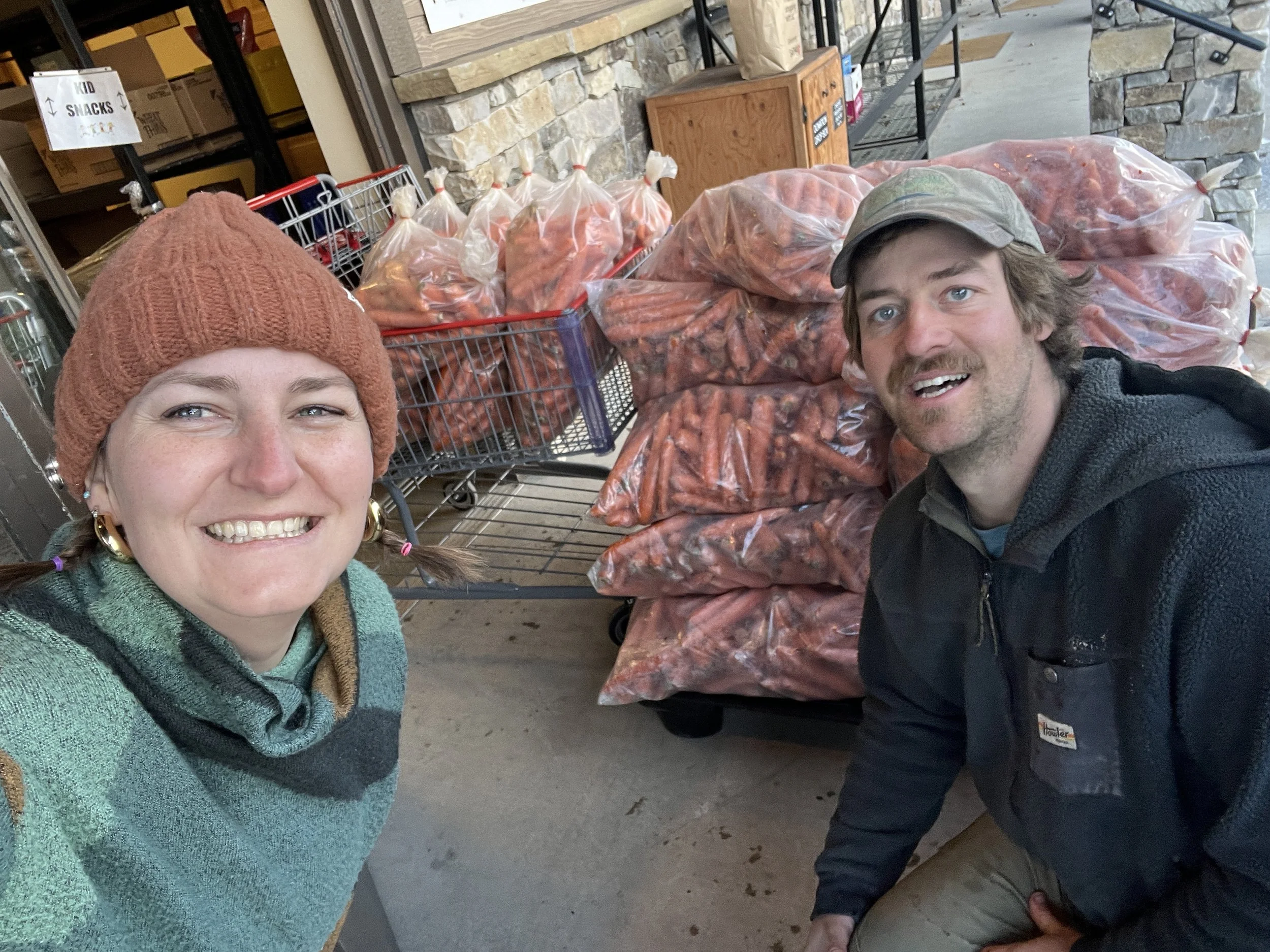
The best texts to receive as a farmer: veggie haul photos w/ recipe ideas

A tale of two soils.
As a first generation farmer, land was not easy to come by. But even before finishing up a degree in Sustainable Crop Production at Montana State University, Max was trying to find soil to work with.
The first land lease began when Max posted a wanted ad online, titled "Young Farmer Seeking Irrigated Land." For months, he'd waded through the Community Food and Agriculture's Land Link program, a well-constructed dating service for land seekers to meet land owners. Through correspondence and visitations, nothing shook out of the Land Link database. The weather started to turn. By October the garlic needed to be planted if the next season was going to be anything resembling a successful harvest. He pressed on with his search and made a Craigslist post introducing his goals and experience, plus his willingness to trade his work in exchange for a chunk of soil. Within a few days, he had a couple nibbles to investigate. But what young man would go out property-gazing alone? He invited his mother to join in the fun. As it turned out, this was a solid choice. A kind family 15 miles from Missoula was struck by Max and his mother enough to offer him a work-trade arrangement the following spring. He would carry irrigation pipes across the family's hay fields in exchange for eight acres of soils formed by the canyon's creeks. An incredible arrangement, considering Max's lack of capital to buy land outright, and his uncertainty about what capital he could raise in the first years of production.
So instead of sinking money into land he wasn't sure of, the landlords allowed Max and volunteers to live on the property in tipi's, cots and tents. Several of Max's friends had volunteered to help grow produce and live out on the land in 2013. In order to continue growing a farm and not a garden's amount of land Max needed a commitment to growing the business in 2014. This second year, he made another Craigslist post that might as well have been titled "Join the farmer cooperative."
Lucky for him, one of the respondents was a Utah-man named Kenny. The two worked hard alongside new members of the volunteer crew, producing food for more than 30 members of the farm. And at the end of the season, Kenny joined the farm business as a cooperative member. As the two-year lease was coming to a close and the land was about to turn back into pasture, Max and Kenny began looking for the next bit of land to grow on. They discovered a possible farm North of Missoula. And after many conversations they moved equipment and supplies up to the land. But when that arrangement didn't work out, they decided to put the farm on hold until another promising opportunity arose. A year passed.
Then luckily, Marta and Tim, two CSA members who had seen what Max and Kenny were capable of purchased 15 acres of land for Winter Kissed Farm and established a ten year lease. Driven by the Slow Money ethic of investing in beneficial community businesses, they established this long-term lease with the goal of preserving agricultural soils that would be improved over time and capable of supporting more local food production into the future.
working like dogs & eating like kings
in stevensville.
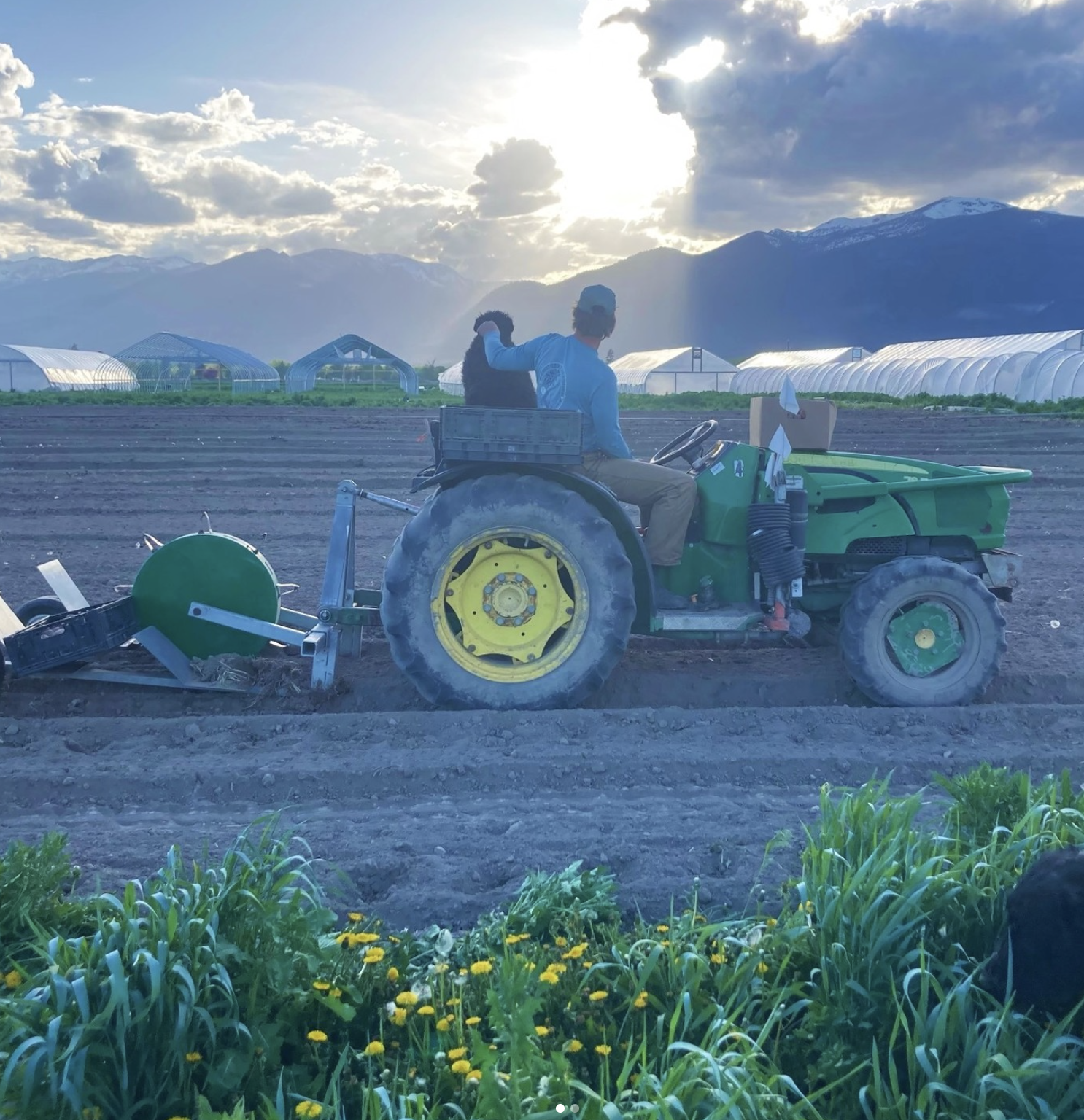
There was nothing on the hayfield in Stevensville when we started. No electricity. No irrigation infrastructure. No place to wash and pack and store vegetables. No housing. No greenhouses. But there was tremendous silty loam soil. The other stuff… it would come… thanks to grants from the National Resource Conservation Service and a whole lot of sweat equity from the worker cooperative members and also our landlords who would commute to the farm nearly every day to help build out irrigation infrastructure and the farm’s first tiny house.
By 2018, the farm soils were showing tremendous signs of improvement in terms of organic matter, tilth, and overall nutrient availability due to organic amendments and planting acres of cover crops. And we were producing food better ever. This surplus allowed worker cooperative farmers to attend four different farmers markets on the same Saturday each week of the growing season. Katie traveled the furthest to the Helena market. Barret manned the Stevensville market. Kenny took on the Missoula Clark Fork Market. And Max held down the Hamilton market. This was an exhausting weekly exercise, especially coupled with two mid-week markets. But we were trying to make a living together, and testing just how much food we could grow with only one small tractor and very limited mechanical equipment.
Winter Growing Begins
Despite this flurry of activity at farmers markets, Katie and Max decided to trial winter growing with a small, 10-week Winter CSA in October-December of 2017. The Winter CSA program has grown year after year, growing to over 375 weekly shares and 26 weeks for the 2025/2026 season. With increased demand for local food fueled by the pandemic, we finally met Katie’s intrepid goal of harvesting fresh food 52 weeks of the year.
But as more CSA members and market customers found out about the farm, the demand became too much — both for ourselves and for our land. So in 2023, we shifted towards just doing the Winter CSA. This meant dropping farmers markets and the Summer CSA, and extending the Winter CSA to eclipse the Spring CSA season which had been April-June.
Now we are humming as a farm, working through the summer to plant the food that will be harvested and distributed between September and April. Through the Winter CSA and Online Store, we now dole out over 375 weekly CSA boxes in addition to over 100 online orders between October through April!
Our Current focus
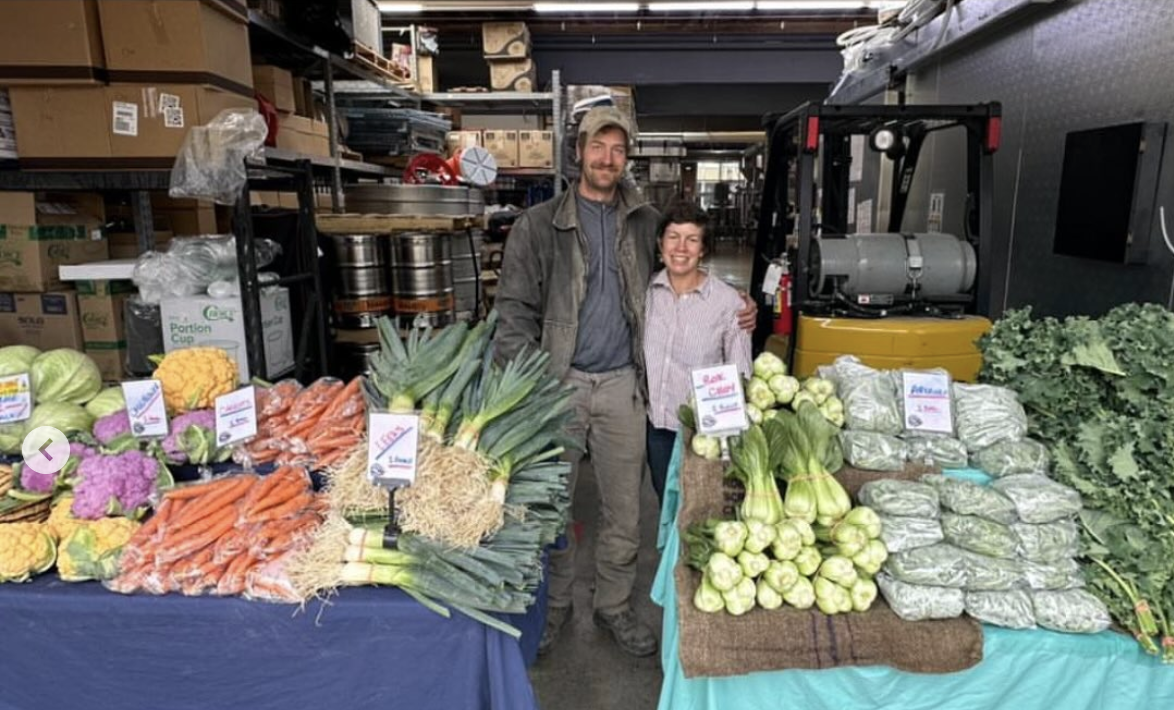
We are one of the only farms in Montana sporting Winter CSA shares and an Online Store running all Winter long! We distribute our vegetables and other high-quality local and regional foods from other producers to eaters in Hamilton, Helena, Kalispell, Missoula, Polson, Salmon, and Stevensville. Local breweries throughout the state allow us to set up vast displays of food that CSA members pick and choose their food from each week!
Not everyone can commit to a Winter CSA, and that’s okay! So that more of our produce is available to people of all kinds, we sell produce a-la-carte through Hamilton’s O’Hara Commons Online Market between October-May. For folks in Whitefish, we’ve partnered with the Farmer’s Stand to provide greens and other storage vegetables in the coldest parts of the year. We also donate thousands of pounds of produce to the Stevensville Food Pantry, Hamilton Haven House, Missoula Food Bank, and North Valley Food Bank in Whitefish.
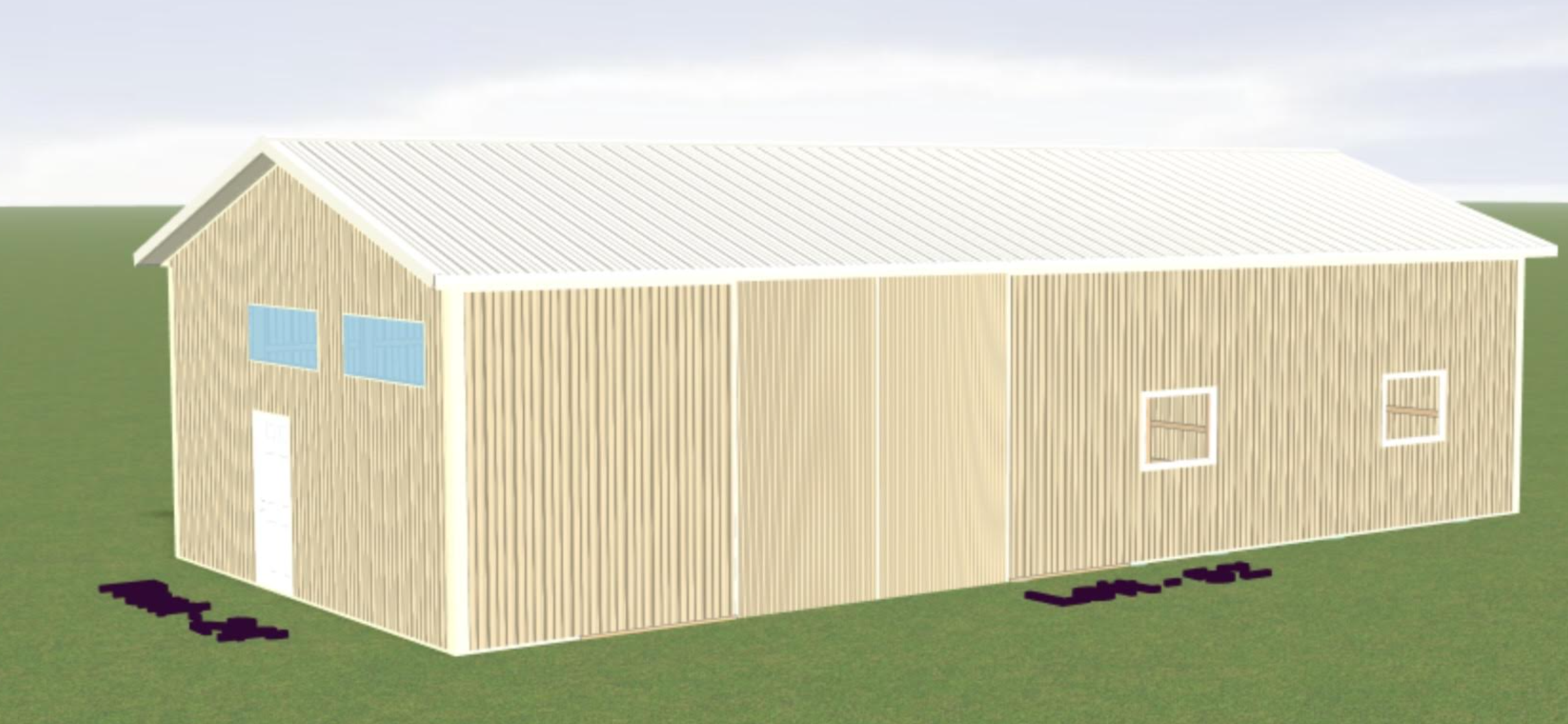
With the development of a new state-approved commercial building that will house our washing and packing activities, we have freed up space in other farm buildings in order to store more crops like carrots, squash and cabbage. We are actively testing out which crops and varieties will allow us to wholesale more crops throughout the state in the “lean months” when local food availability is at its lowest. We thank our CSA members and supporters of our online store for giving us the confidence to dream big and make strategic contributions in the spirit of Abundance Montana’s 33% by 2033 goal.
We hope to feed you and further involve our farm with the community through farm events and partnerships with other local businesses. We strive to improve the soil each year by employing minimal till practices and by sourcing local inputs to improve nutrient availability and the health of soil life.